Governed Multimodal Pipelines: Connecting Text, Image, and Metadata to Create One Intelligent Core
Today, enterprises face a new frontier: moving beyond understanding unstructured text or transactional records. Instead, an AI application seamlessly hosts text, images, audio, logs, embeddings, and rich metadata at once-gathered signals coming from customer interactions, fraud signals, catalogs of products, or hours of video surveillance, medical diagnostics, and intelligent agents. In fact, that data is […]
Designing with portability in mind: On-premises, cloud, and Kubernetes strategies for AI-ready Postgres
AI-driven architectures rigorously reshape the ways enterprises store, process, and reason upon data. Established as the spine of transactional systems, PostgreSQL rapidly evolves into the solid base for vector search, AI agent memory, and real-time decision pipelines. However, the ultimate challenge becomes critical as organizations spread across on-prem data centers, create multi-cloud deployments, and establish […]
Efficient Similarity Search: Unlocking Smarter Recommendations with AI Databases
Consumers today demand a personal and instantaneous experience, and certainly, such a thing cannot be issued as a generic search with hard filtering as consumer trends. Hence, similarity search came into play, which is the ultimate secret weapon of AI databases and drives everything-from managing product recommendations on an e-retail platform for e-commerce sites or […]
Contextual Understanding with AI Databases: Fueling Next-Gen AI Applications
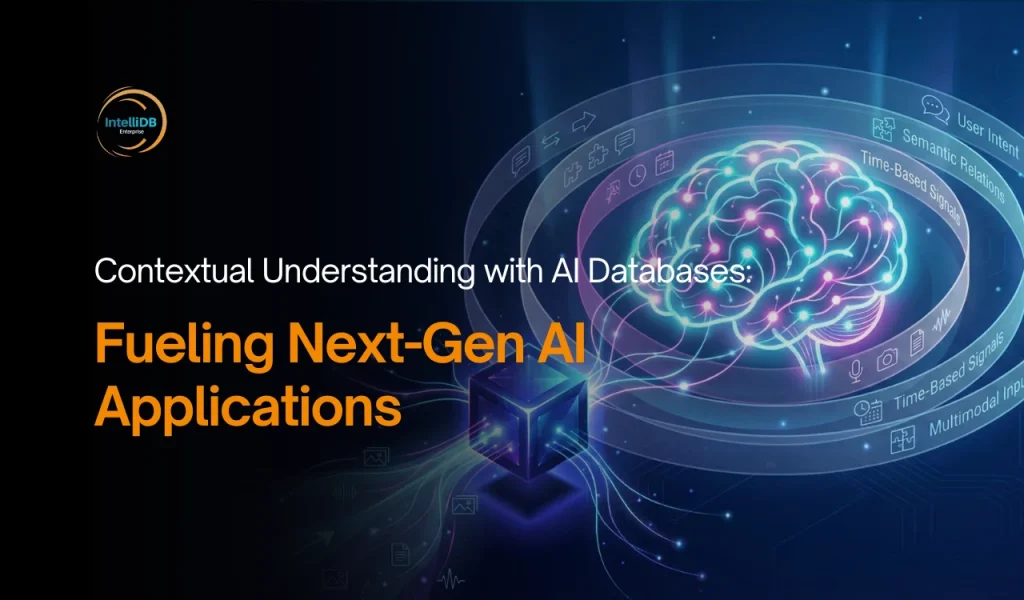
The AI realm continues to present a dynamic interface, with the resurgence of another old problem of AI: absence or lack of context. If a model does not have context, it cannot render output in a way that meets the need or is appropriate. The RAG system generally makes a good example of how AI-based […]
Enhanced Performance and Scalability: How AI Databases Power Real-Time Applications
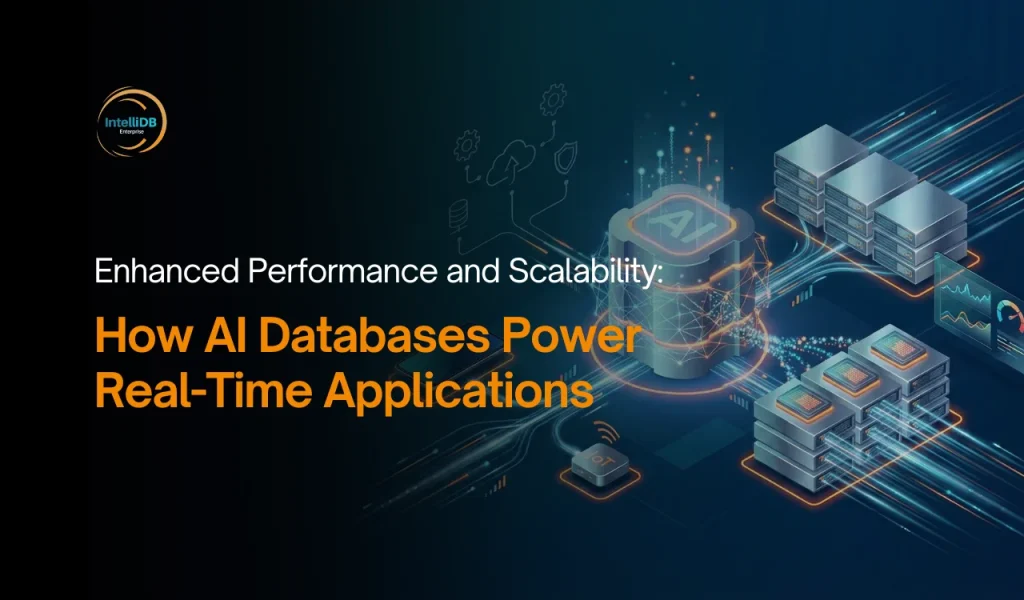
The pressing necessity imposed upon businesses in the digital-first economy is apparently to absorb huge molecules of data in real-time, which defines speed as the measure of success. Be it online shopping carts handling millions and millions of transactions or health care platforms processing patient data on the fly; both performance and scalability have become […]
Oracle vs. PostgreSQL: Key Differences and Best Use Cases

Databases pretty much hold everything together in this digital world we live in now. They handle stuff from secure money transfers to running all sorts of web apps. Picking the best one really matters for how fast things run, how they grow, and what it costs. Oracle and PostgreSQL come up a lot as top […]
The Future of Database Management in an AI-Driven World
We’re kind of at this big shift right now. AI’s messing with the lines between all that structured data, the unstructured stuff, and even those real-time decisions. Databases have to keep up, you know. They used to just be places to store things based on what people asked for, with those fixed setups. But now […]
A Deep Dive into the Memory Layer of AI
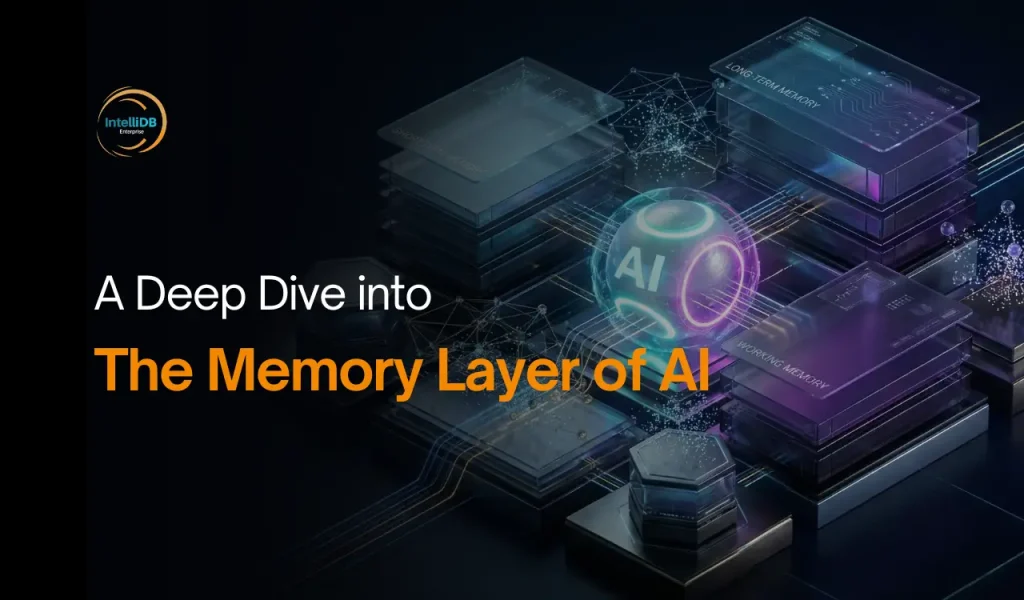
Imagine interacting with an AI assistant that never forgets — it recalls everything you told it months ago, knows your tastes, remembers your style, and uses your previous context to formulate a better response. That “memory” isn’t sorcery. It’s a blend of embeddings, vector databases, and some brilliant indexing that make AI more human, more […]
Choosing the Right Data Infrastructure for AI: Vector vs Traditional Databases vs Hybrid
With the rise of AI (especially generative AI and retrieval-augmented generation), organizations are starting to face new data infrastructure challenges. At the core of many modern AI workloads are vector embeddings—high-dimensional numeric representations of text, images, audio, etc. These embeddings can deliver semantic meaning, facilitate a semantic similarity search, make recommendations, etc. Unfortunately, most databases […]
How is an AI Database Different from a Traditional Relational Database?
Databases have been the backbone for digital systems from the beginning, and traditional relational databases (RDBMS) such as MySQL, PostgreSQL, and Oracle have powered transactional systems for decades, providing consistency, reliability and a nicely organized structure to the data. Now, with artificial intelligence, machine learning, and unstructured data on the rise, there is an entirely […]