Oracle vs. PostgreSQL: Key Differences and Best Use Cases

Databases pretty much hold everything together in this digital world we live in now. They handle stuff from secure money transfers to running all sorts of web apps. Picking the best one really matters for how fast things run, how they grow, and what it costs. Oracle and PostgreSQL come up a lot as top […]
The Future of Database Management in an AI-Driven World
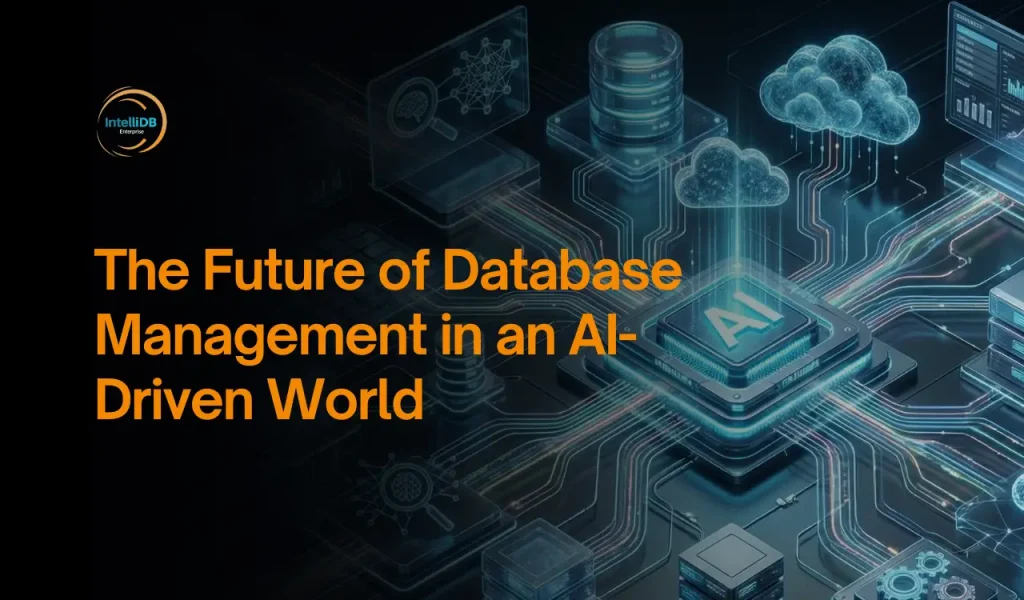
We’re kind of at this big shift right now. AI’s messing with the lines between all that structured data, the unstructured stuff, and even those real-time decisions. Databases have to keep up, you know. They used to just be places to store things based on what people asked for, with those fixed setups. But now […]
A Deep Dive into the Memory Layer of AI
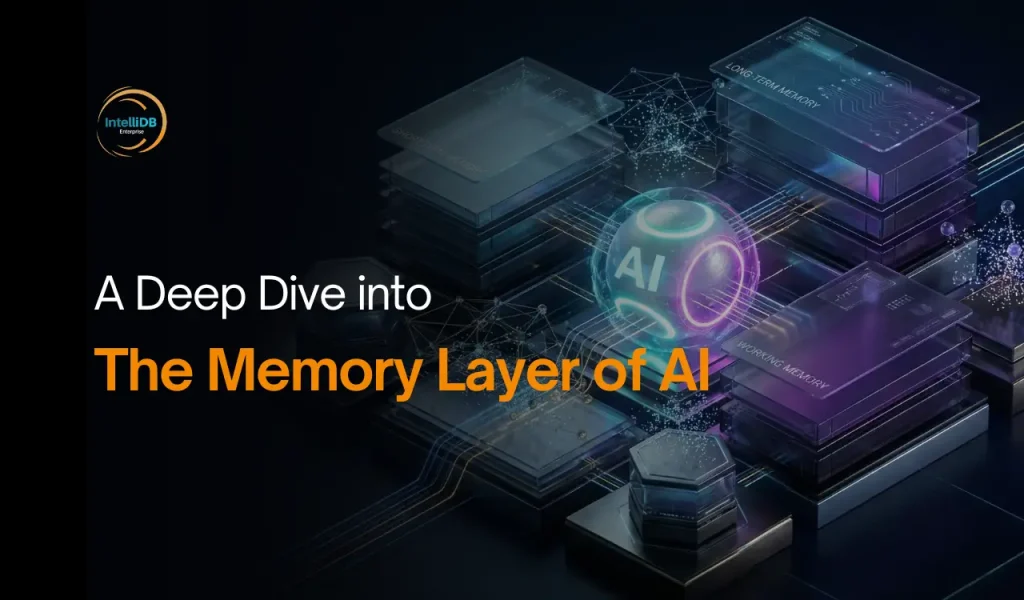
Imagine interacting with an AI assistant that never forgets — it recalls everything you told it months ago, knows your tastes, remembers your style, and uses your previous context to formulate a better response. That “memory” isn’t sorcery. It’s a blend of embeddings, vector databases, and some brilliant indexing that make AI more human, more […]
Choosing the Right Data Infrastructure for AI: Vector vs Traditional Databases vs Hybrid
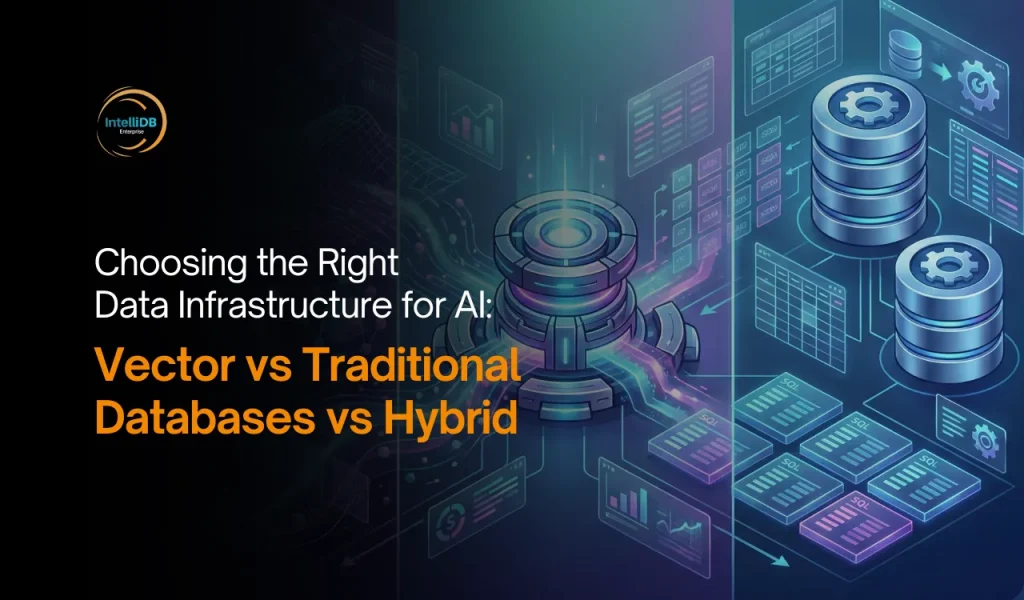
With the rise of AI (especially generative AI and retrieval-augmented generation), organizations are starting to face new data infrastructure challenges. At the core of many modern AI workloads are vector embeddings—high-dimensional numeric representations of text, images, audio, etc. These embeddings can deliver semantic meaning, facilitate a semantic similarity search, make recommendations, etc. Unfortunately, most databases […]
How is an AI Database Different from a Traditional Relational Database?
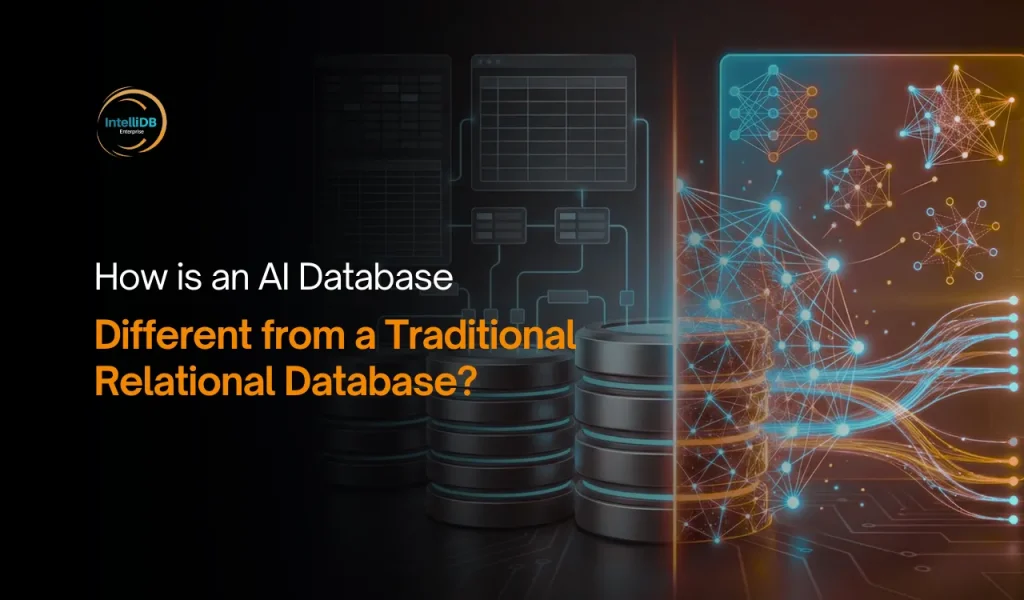
Databases have been the backbone for digital systems from the beginning, and traditional relational databases (RDBMS) such as MySQL, PostgreSQL, and Oracle have powered transactional systems for decades, providing consistency, reliability and a nicely organized structure to the data. Now, with artificial intelligence, machine learning, and unstructured data on the rise, there is an entirely […]
Hybrid and Multi-Model Architectures: When a Single Database Can Manage OLTP, Analytics, and Vectors
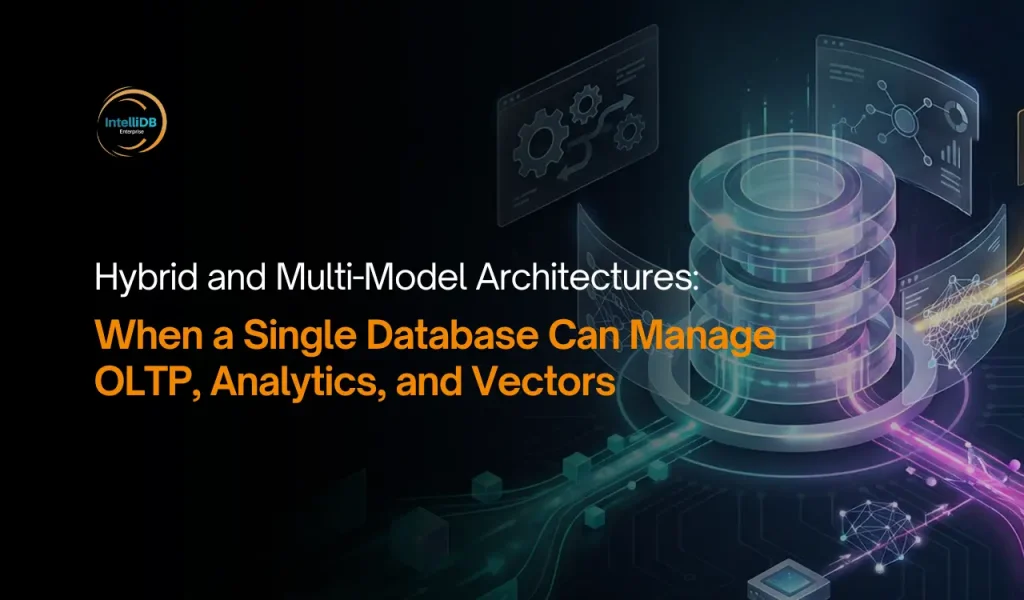
Modern enterprises do not exist in neatly separated data environments. Transactional workloads (OLTP), analytical processing (OLAP), and vector-based AI retrieval have converged. Customer transactions feed real-time dashboards; dashboards feed machine learning; embeddings update decision engines; and AI agents manipulate both structured and unstructured data. The old idea-that of using separate systems for each workload-creates complexity, […]
Cost-Smart AI Databases: Achieving Performance Goals while Reducing Cloud Total Cost of Ownership
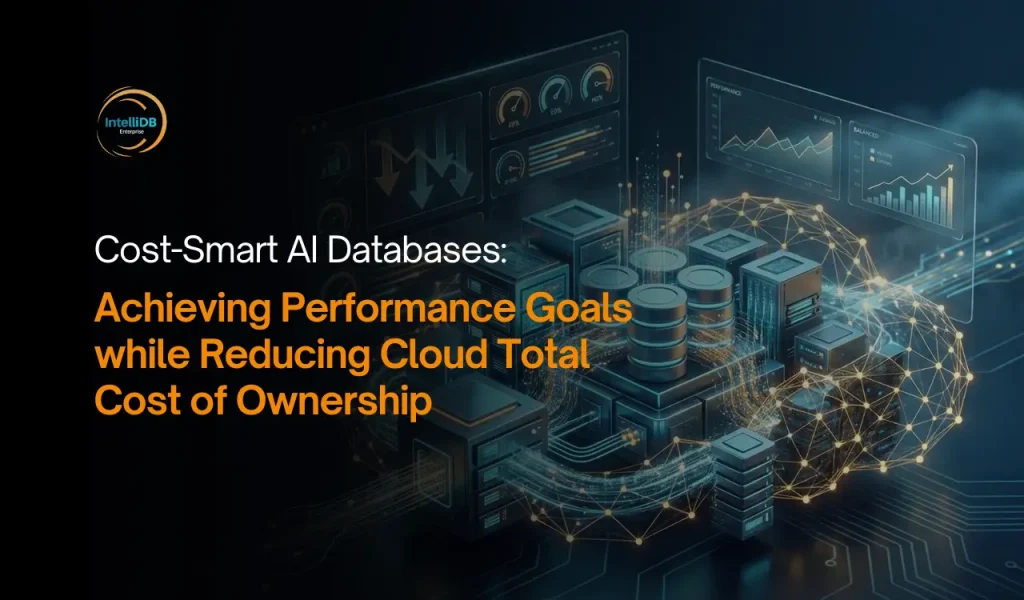
AI-oriented workloads are quickly evolving into the very foundation of the enterprise application: semantic search, vector stores, agent memory, embeddings, predictive models, and real-time decision engines. This very transition has revealed a critical fact: AI databases are heavy consumers of resources, and cloud bills scale faster than the resource costs of the workloads themselves. Now, […]
High Availability for AI and Heavy Workload Postgres: Active-Active Clusters and Replication Drift Control
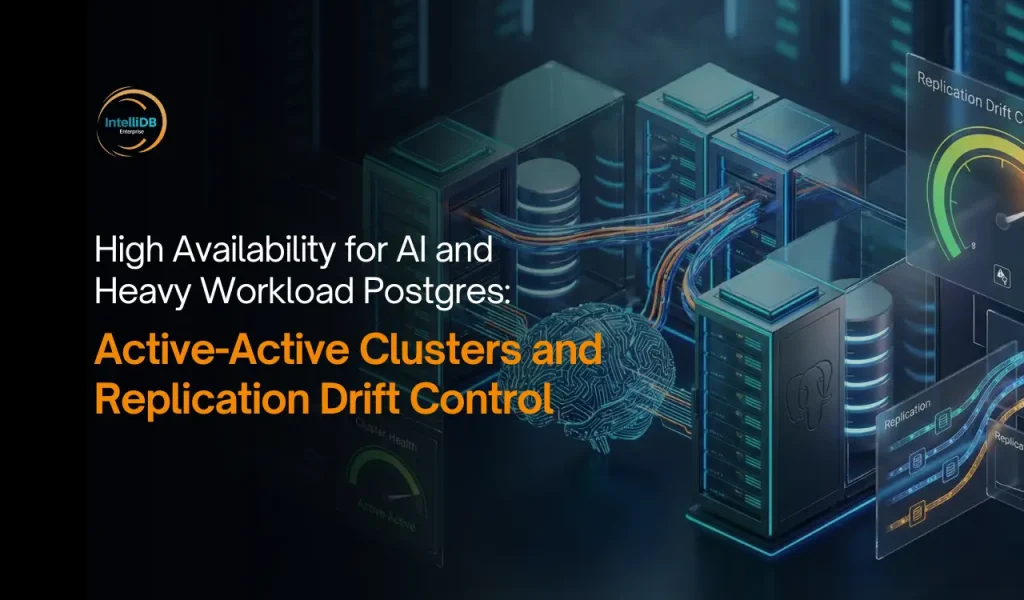
Nowadays, availability is not an indulgence, but the keystone of modern AI architectures. It was well known that the PostgreSQL would possibly manage massively varied workload scenarios, such as in reacting to real-time querying where a lot is busy with AI work and other engagements that would require human oversight, since workers could group district-wise, […]
Unified Monitoring for Combined Postgres+Vector: Health Scores, Anomaly Detection, and Smart Ops
Companies are quickly changing from static systems to AI-driven architectures using relational databases, vector search, and intelligent agents. Postgres remains the backbone for all transactional workloads, while vector extensions such as pgvector are managing semantic retrieval, semantic reasoning, and long-term memory for AI systems. As these two layers evolve to be combined, companies are running […]
By Design AI Data Sovereignty: Regional Deployments, Residency Guardrails, and Postgres
Business focuses on compliance more than whether the AI system will work well or not. The data sovereignty stands with models (online and offline ones), vector storage (postgresql), memory layers, and data sets left for retrieval. It is not just a check box in the region, state, or some other realm across which these models […]