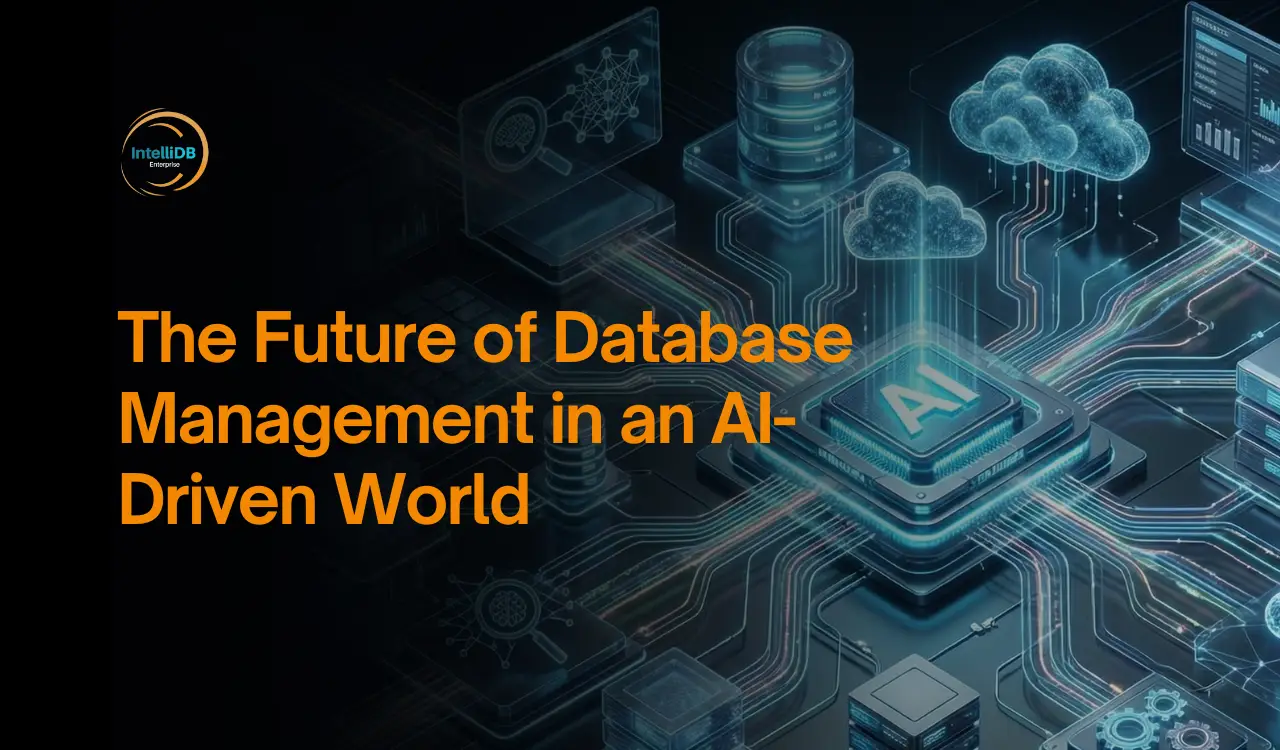
We’re kind of at this big shift right now. AI’s messing with the lines between all that structured data, the unstructured stuff, and even those real-time decisions. Databases have to keep up, you know. They used to just be places to store things based on what people asked for, with those fixed setups. But now they’re turning into these smart, hands-off parts of the whole setup. Here’s some of the main trends hitting database management these days, and what companies ought to think about going forward.
What’s Changing: Key Trends
Native Vector and Multi-Modal Capabilities.
Databases are starting to handle vector embeddings and similarity searches like it’s no big deal, built right in. You don’t have to shove text embeddings, images, or audio into some separate fancy system anymore. They’re mixing into the regular databases. Developers are after one setup that covers everything, instead of patching together tools for structured data, unstructured bits, and semantic searches.
Autonomous and Self-Healing Systems.
AI and machine learning are taking over the boring database jobs. Things like tweaking indexes, handing out resources, spotting weird anomalies, fixing errors, and slapping on patches. The point is to cut down on people messing with it all the time. That means more reliability, better uptime. It lightens the load on operations, and keeps things running smooth even when the workload goes crazy.
Cloud-Native, Distributed, and Serverless Architecture.
Data’s piling up, more users, tons of workloads. Databases need to flex in the cloud. Distributed storage, serverless scaling, working across multiple clouds, that’s not optional anymore. They’re building systems where storage, computing, indexing, and queries can grow on their own. There’s a bunch of new ideas around using object stores like S3 for the main storage, making it scalable, tough, and cheaper on costs.
Real-Time and Streaming Data Integration.
AI needs data that’s super fresh. For spotting anomalies, recommendations, or personalizing stuff, even a few minutes old can mess things up. So databases are adding real-time ingestion, streaming setups, and mixing transactional with analytical features. That helps AI workflows a lot.
Seamless Query Interfaces, Including Conversational and Natural Language. People want to ask for data in normal ways. Like using natural language, or mixing in similarity searches, graph stuff, full-text, and filters on metadata. AI helps by writing SQL, tweaking queries, or picking the best way to get at the data. It makes it easier for folks who aren’t tech experts to pull out insights.
Stronger Focus on Governance, Security, and Ethics. Privacy’s a hot topic, data leaks, rules and regs, fairness too. AI-powered databases have to bake in governance. Access controls, auditing, masking data, encryption, staying compliant. And explaining query results or model outputs, that counts big time.
What This Means for Organizations
Reduced DBA Overhead.
A lot of the manual work gets automated. Database admins move from fiddling with tuning and basic upkeep to bigger picture stuff. Like setting policies, handling governance, planning data architecture.
Hybrid Systems Become the Norm.
You’ll end up with setups that blend transactional databases, vector ones, search engines, real-time streaming, all that. The tricky part is getting them to play nice together. Often through one unified system or platform that handles different kinds of workloads.
Cost and Performance Trade-offs.
Smart systems might hit you with higher upfront costs. For computing embeddings, real-time indexing, fancier infrastructure. But they save money later with better use of resources, less downtime, fewer ops headaches.
Skillset Evolution.
Teams need to pick up AI and ML know-how, embeddings, vector searches, data streaming, governance. Knowing just SQL and relational basics won’t cut it anymore.
Vendor and Tool Consolidation.
Everyone wants simpler data stacks, unified ones. So expect fewer single-purpose tools. More platforms that try to do a wide range, like mixing vector with SQL, streaming, serverless, security.
Challenges and Considerations
Trade-off Between Speed and Accuracy.
Take an approximate nearest neighbor search. It speeds up similarity queries. But it can lose some precision. In fields like healthcare or finance, mistakes cost a lot.
Managing Data Drift and Model Updates.
AI embeddings and models shift over time. That old database memory or index might not hold up. You have to handle re-embedding, reindexing, and versioning carefully.
Vendor Lock-In and Compatibility.
Jump into a specialized AI-native database or tool, and switching later gets tough. Make sure it follows standards, or you can export and work with others.
Latency, Scaling Issues.
Demands ramp up with more vectors, users, queries. Systems have to handle volume and lots of simultaneous stuff. Real-time queries with low latency, that’s hard at big scales.
The Road Ahead
We’ll probably see more AI-native databases. Built from scratch for storing embeddings, similarity searches, transactional data, streaming. Multi-model ones will expand too. Hybrid transactional and analytical processing, vector plus relational plus graph.
Infrastructure’s changing too. More leaning on cheap object storage like S3, with clever caching and indexing on top. Serverless databases picking up steam. Abstractions to make it easier, like natural language queries, auto-adjusting schemas.
Basically, database management’s future isn’t just about getting bigger or quicker. It’s smarter, more on its own, tied together better, aware of context.